A country where rainforest, ocean and everyday life exist in remarkable balance.
A Different Rhythm by the Sea
The world’s most beautiful coastlines often leave a lasting impression because of their scenery. Costa Rica certainly possesses extraordinary beaches, dramatic headlands and stretches of rainforest that meet the Pacific Ocean, yet the country leaves a deeper impression for another reason. Life here moves to a rhythm shaped by nature rather than by the clock, and visitors quickly discover that this subtle difference transforms the entire experience of being by the sea.
Rather than separating everyday life from the natural world, Costa Rica allows the two to exist side by side. Mornings begin with tropical birds instead of city traffic, forests reach almost to the shoreline, and wildlife becomes part of ordinary moments rather than carefully planned excursions. It is this quiet connection between landscape and daily life that makes the country feel unlike almost anywhere else.
Many destinations promise escape. Costa Rica offers something more enduring: a different perspective on how life beside the ocean can feel when nature remains at the centre of it.
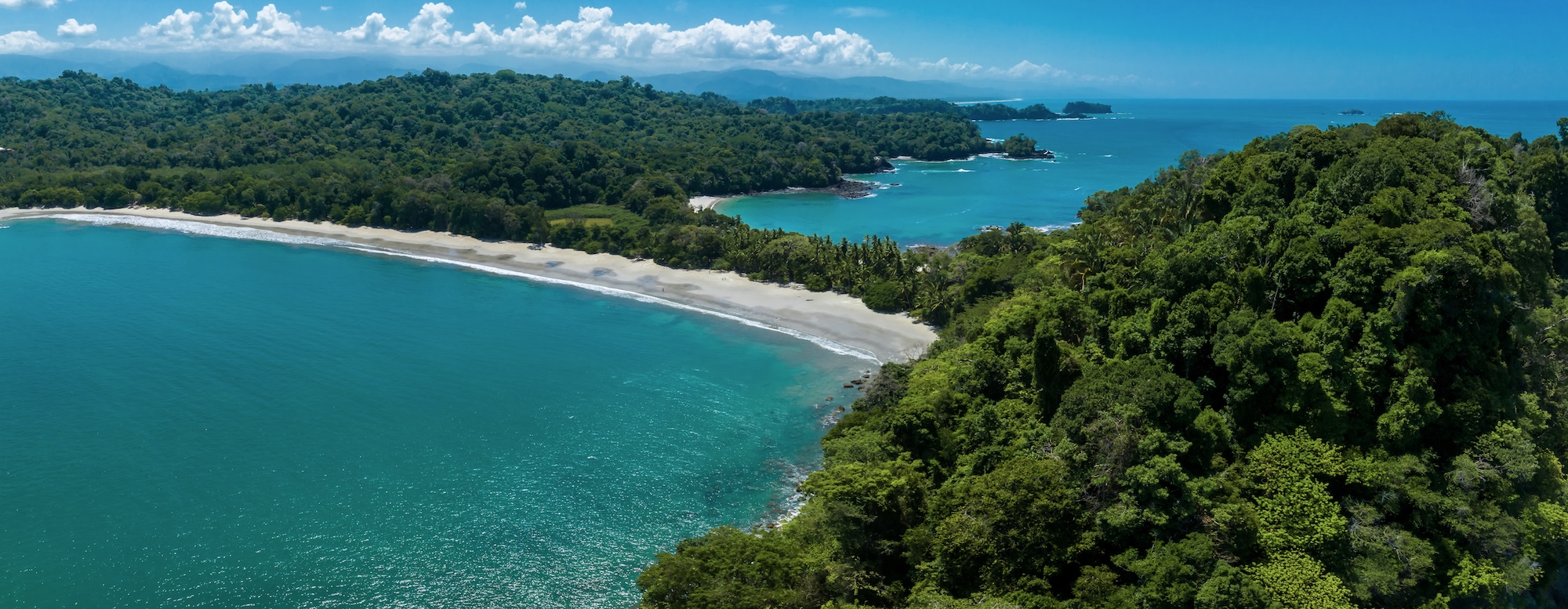
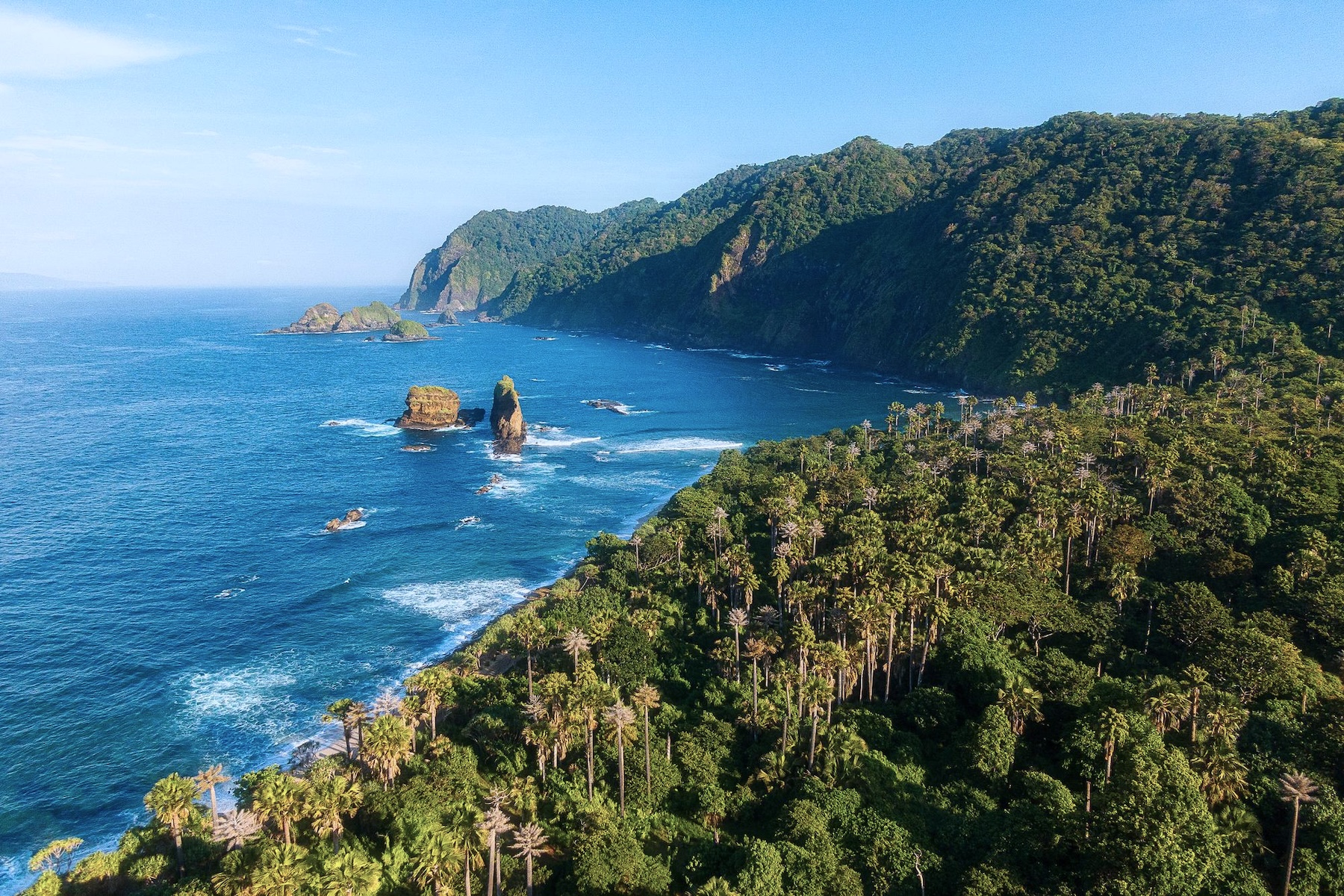
Along much of Costa Rica's Pacific shoreline, protected rainforest stretches uninterrupted to the sea, preserving landscapes where wildlife and coastal life exist side by side.
Where Two Coastlines Tell Different Stories
The Pacific and Caribbean coasts offer two distinct interpretations of coastal life, each with its own atmosphere, landscapes and traditions. The Pacific coastline, particularly the northwestern Guanacaste region, is known for its dramatic bays, dry tropical forests and long stretches of golden sand. It is here that architecture, wellness, sailing and contemporary coastal living have developed in harmony with protected landscapes.
The Caribbean coast presents a very different character. Influenced by Afro-Caribbean culture, dense rainforest and a slower pace of life, it feels more intimate and untamed. Colourful villages, lush vegetation and warm waters create a relaxed atmosphere that appeals to travellers seeking a different side of the country.
Rather than competing with one another, these two coastlines reveal the remarkable diversity of Costa Rica. Together they explain why so many visitors return, each time discovering a different expression of life by the sea.
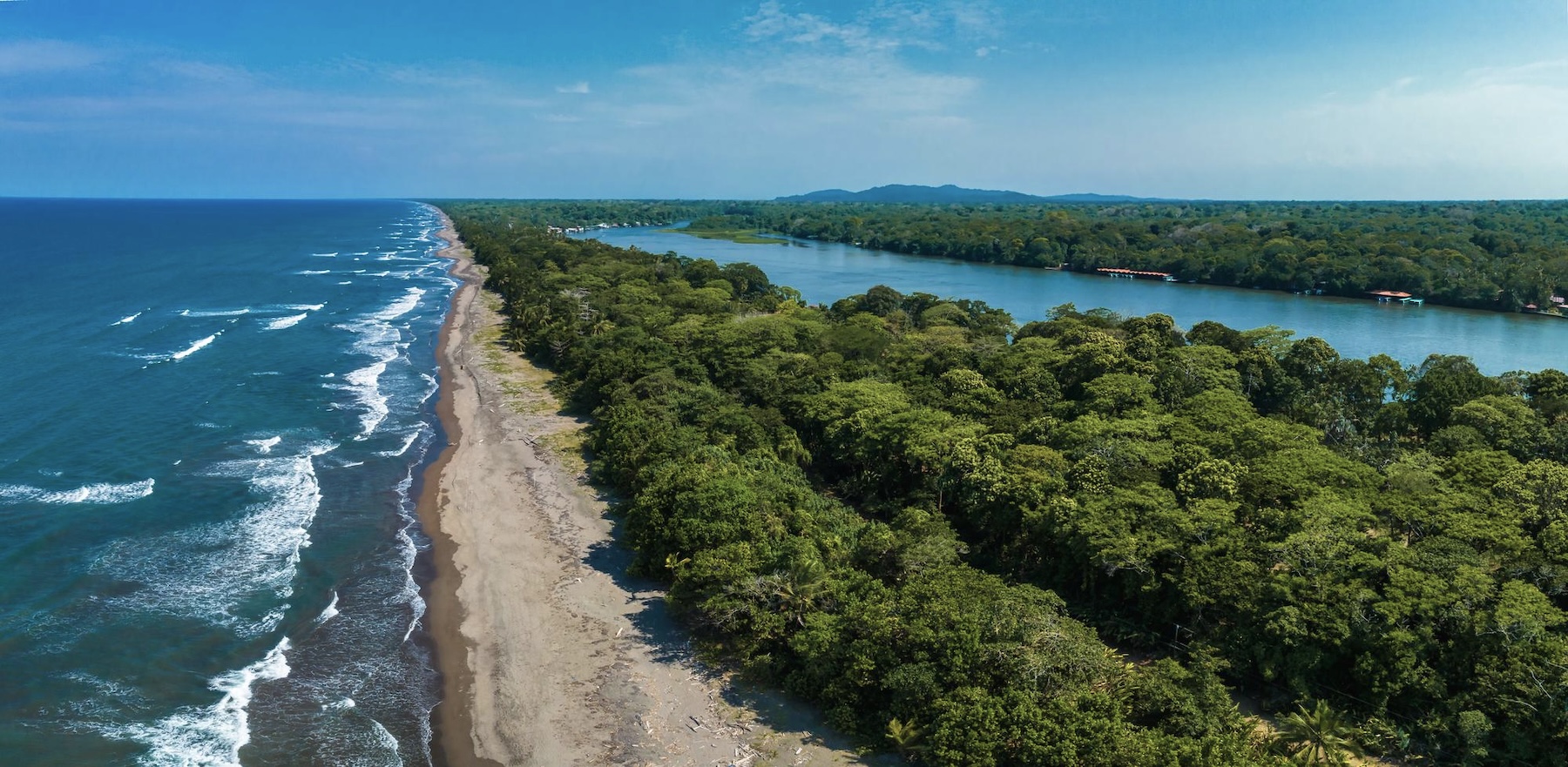
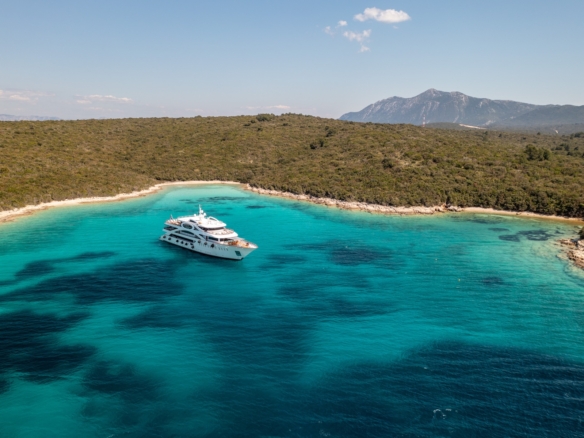
Costa Rica's Caribbean coast offers a different rhythm, where long beaches, tropical forests, and calm waters create a quieter coastal landscape than the rugged Pacific.
When Nature Shapes Everyday Life
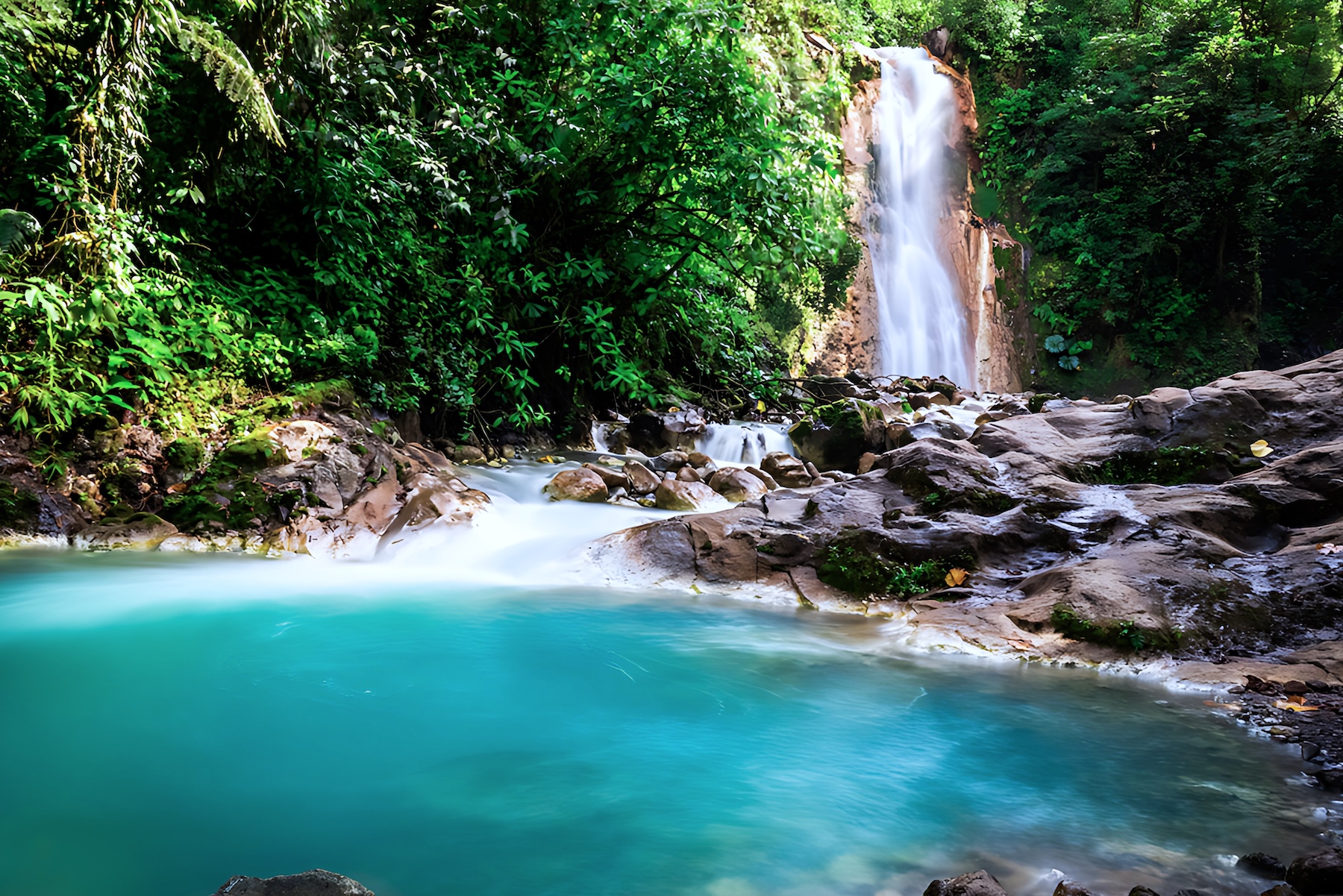
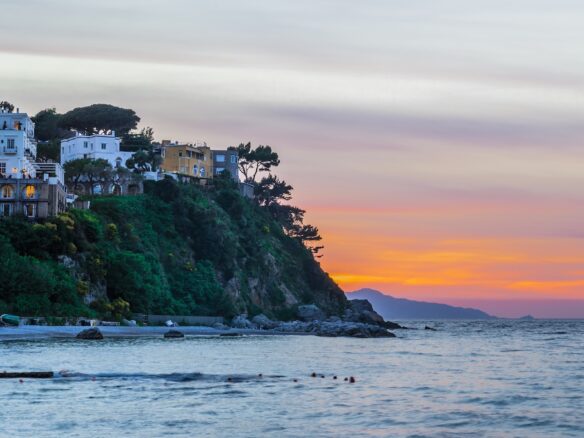
Costa Rica's extraordinary biodiversity extends far beyond its coastline, where waterfalls, rainforests, and protected landscapes shape everyday life as much as the Pacific Ocean itself.
One of Costa Rica’s greatest qualities is that nature rarely feels staged. Wildlife is not confined to national parks or hidden behind fences. Scarlet macaws glide above beaches, howler monkeys announce the arrival of sunrise, sloths quietly inhabit the trees, and dolphins regularly appear offshore. During certain seasons, humpback whales migrate along the Pacific coast, reminding visitors how closely everyday life remains connected to the ocean.
This constant presence of wildlife gently changes the way people experience their surroundings. Conversations become quieter, walks become slower, and time outdoors feels less like an activity and more like a natural part of each day. Rather than seeking memorable moments, visitors often find that memorable moments quietly find them.
A Different Definition of Coastal Living
For many people, the idea of coastal living is still defined by impressive villas, exclusive resorts or spectacular ocean views. While Costa Rica certainly offers all of these, the country quietly suggests that the true value of living by the sea lies somewhere else.
Here, the most memorable homes are designed to respond to their surroundings rather than dominate them. Living spaces remain open to the landscape, natural ventilation replaces unnecessary formality, and daily life extends effortlessly from the kitchen to the terrace, from the terrace to the pool, and from the pool into the surrounding forest or ocean. The architecture encourages people to spend more time outdoors, where changing light, tropical birds and the sound of the Pacific become part of the experience instead of remaining a backdrop.
This relationship between home and nature influences more than the way a property looks. It changes the way people gather, relax and spend time together. Breakfast often lasts longer, conversations continue well into the evening, and children naturally move between the house, the garden and the beach without ever feeling confined. Privacy is not created by walls or gates alone, but by generous space, thoughtful design and the surrounding landscape itself.
Perhaps this is why Costa Rica leaves such a lasting impression. It reminds us that the most rewarding coastal homes are not simply places to stay. They are places that encourage a slower rhythm, a closer connection with nature and a deeper appreciation for the people we share them with. Long after the journey has ended, it is often this feeling—rather than a single view or memorable excursion—that people remember most.
Peninsula Papagayo: Where Costa Rica's Coastal Vision Comes to Life
For many visitors, the journey through Costa Rica eventually leads to Peninsula Papagayo, a remarkable stretch of Pacific coastline where protected rainforest, quiet bays and contemporary architecture exist in careful balance. Located in the northwestern province of Guanacaste, the peninsula has become one of the country’s most thoughtfully planned coastal communities, not because it has sought to transform the landscape, but because it has chosen to work with it.
Unlike many coastal developments around the world, Peninsula Papagayo has grown with a clear respect for its natural surroundings. Homes are carefully positioned within the forest canopy, walking trails connect beaches that remain largely untouched, and generous green spaces preserve the character of the peninsula. Wildlife continues to move freely through the landscape, while residents and visitors experience a rare sense of privacy created not by isolation, but by nature itself.
Life here extends well beyond beautiful beaches. Days might begin with a walk through the forest, continue with sailing or paddleboarding on the calm waters of the Pacific, and end with dinner beneath an open sky as tropical birds gradually give way to the sounds of the evening. Wellness, outdoor living and time together become part of everyday life rather than carefully planned activities, reflecting the same relaxed rhythm that defines Costa Rica as a whole.
It is this combination of extraordinary natural beauty, thoughtful design and a genuine connection to the surrounding landscape that has made Peninsula Papagayo one of the country’s most desirable coastal destinations. Rather than competing with nature, it demonstrates how architecture and landscape can quietly complement one another, creating places that feel both refined and deeply rooted in their environment.
The peninsula also provides the ideal setting for homes that fully embrace this philosophy. Among them is Villa Avellana, where architecture opens completely to the rainforest and the Pacific beyond, allowing guests to experience the landscape not as a view, but as part of everyday life.
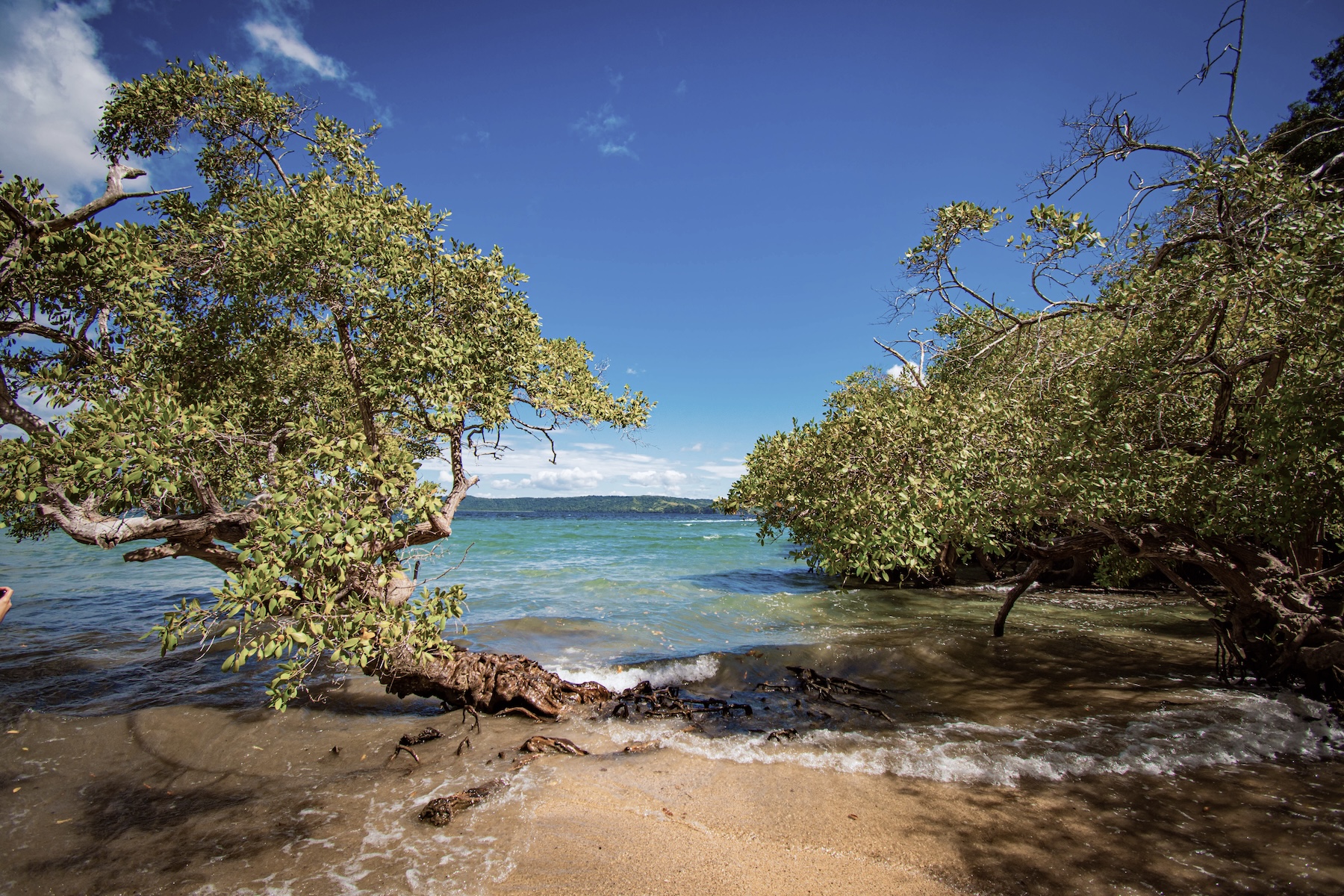
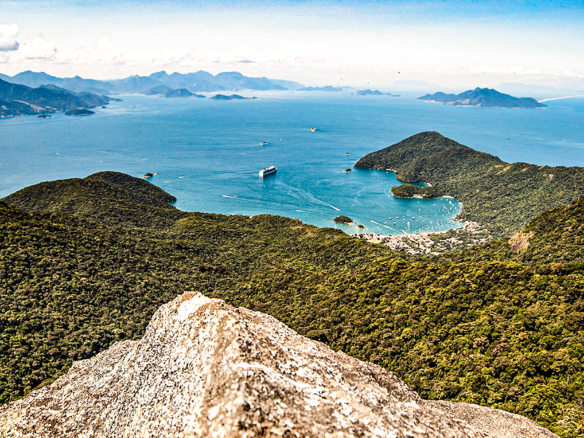
On Peninsula Papagayo, rainforest reaches the shoreline, creating a landscape where nature and coastal living exist in remarkable balance.
Experiencing Costa Rica Through Villa Avellana
Rather than experiencing Costa Rica from behind the walls of a resort, homes such as Villa Avellana allow guests to become part of the landscape itself. Open living spaces blur the boundary between indoors and outdoors, family meals unfold beneath the tropical sky, and days naturally alternate between the Pacific Ocean, surrounding rainforest and moments of complete privacy.
Located within Peninsula Papagayo, Villa Avellana reflects many of the qualities that define Costa Rica at its best. Architecture responds to the climate rather than competing with it, generous outdoor spaces encourage gathering across generations, and the surrounding landscape remains the true centre of attention.
For travellers seeking an experience that feels both refined and deeply connected to nature, Villa Avellana represents one of the most compelling ways to discover Costa Rica.
A Place That Stays With You
Costa Rica leaves a lasting impression not because of a single beach, a remarkable villa or an unforgettable sunset. It remains memorable because it demonstrates that another way of living beside the sea is still possible. Here, architecture respects the landscape, wildlife continues to shape everyday life, and the ocean is not simply admired but woven into daily routines.
Long after returning home, many travellers remember surprisingly ordinary moments: breakfast with tropical birds in the background, evenings spent outdoors with family, quiet walks along nearly empty beaches or watching the Pacific change colour as the day comes to an end. Those memories explain why Costa Rica is so often revisited. It is not simply a destination that people enjoy. It is one that quietly reshapes how they imagine coastal living itself.
Experience Costa Rica in Your Own Way
After spending time in Costa Rica, many travellers discover that what stays with them is not simply the beauty of the Pacific coastline or the richness of the rainforest. It is the feeling of living more closely with nature, of slowing down without sacrificing comfort, and of sharing meaningful moments in places designed to bring people together.
Whether you are planning a multigenerational family holiday, celebrating a special occasion, or simply looking for a destination that offers privacy, space and an authentic connection to the coast, Costa Rica provides an experience that continues to resonate long after the journey has ended.
At CVAY, we carefully curate exceptional coastal homes that reflect the character of their surroundings rather than simply offering beautiful accommodation. Villa Avellana is one such place, providing an extraordinary setting from which to experience Peninsula Papagayo and the remarkable Pacific coast of Costa Rica.
If you would like to explore Costa Rica further, discover Villa Avellana, or begin planning a private coastal escape, we invite you to continue your journey below.